

The Basics of a Wood Pellet Stove
A pellet stove is heated with wood pellets. Pellets are purchased by the bag and deposited into a hopper that is controlled by an electronic thermostat. The stove also includes a fan that blows the warm air into the room.
They can be used to warm almost any house. It's important to consider the physical features of your home, such as the ceiling's the height.
Efficiency
The effectiveness of a stove made from pellets depends on the quality of the heating pellets employed. Premium-grade pellets have less than 1 percent Ash, and lower grade pellets could contain up to 6 percent Ash. High-quality pellets come from recycled wood and sawdust. Because of this, they are an eco-friendly option for heating your home. They also don't create creosote which can cause fires in chimneys. However, the ash generated by pellet stoves may be toxic to pets and children.
A wood pellet stove utilizes an auger to transport the pellets to a chamber where they are then burned to produce heat. This process is controlled by sensors that track the temperature of the air and pressure. If the sensor determines that fuel is required then the auger will feed more pellets into the combustion chamber. The hot air is transferred through a heat exchanger to a blower which disperses it throughout your home through convection.
A pellet stove is powered by fans and electricity in addition to burning wood. They can be vented through a direct vent system or through an external chimney or duct. Indirect vent systems are usually used in new homes that have open floor plans, while venting through a chimney is preferred for older homes that have fireplaces in their existing homes.
Pellet stoves are a great alternative to traditional wood-burning stoves and they have many benefits. They are more efficient in energy, require less maintenance, and have a lower carbon footprint. They are also quieter than traditional stoves. However, they are not as efficient as gas stoves.
Wood pellet stoves can be found in freestanding models as well as inserts that fit into existing fireplaces. They provide additional heat to an entire home or room and are ideal for open floor designs. They can also be used to heat smaller homes with less heating requirements.
Electricity powers the internal mechanisms of wood pellet stoves, including the auger, which feeds the air into the combustion chamber as well as the fan. Because of this, they could be affected by power outages. They'll need an alternative heating solution in the case of a power outage. They also utilize the standard three-prong plug therefore you must ensure that the power outlet is in good working order prior to using it. In addition pellet stoves produce an enormous amount of clinker and ash which must be removed regularly. You can employ a metal vacuum cleaner that is specifically designed to remove these substances.
Cost
The wood pellet stove is a great alternative to traditional fireplaces. They are more economical to run than gas or oil furnaces and offer greater flexibility in heating your home. Before investing in stoves, you must be aware of the upfront costs and ongoing expenses. The cost of purchasing and installing the pellet stove is determined by the size of the unit as well as its complexity and labor requirements, as well the local pricing for fuel and professional installation.
Wood pellet stoves can be bought as freestanding models or as inserts to be fitted into existing fireplaces. Both styles are a good choice and can accommodate a range of budgets and budgets, with freestanding pellet stoves typically costing between $1,000 and $5,000.
Fuel is the main cost of a pellet stove. You will spend about $35 to $50 a month on pellets, depending on your heating needs and the cost of local pellets. A typical bag of 40 pounds of pellets burns for 24 hours and produces enough heat to warm up a 1,000-square-foot space.
Pellet stoves are powered by a screw-auger mechanized that is fed with pellets into the burner. The pellets are ignited and create an ignition. As the flames travel through a heat exchanger they create warmth and hot air that is circulated through your living space via a blower system. A exhaust fan also removes combustion gases from the stove, making sure your home is kept at a safe and comfortable temperature.
You will also need to pay for the electricity used to power the motorized feeder that will feed the pellets to the stove as well as the heater. Most pellet stoves require between 360 to 460 watts of electricity to ignite and around 80 to 345 watts each hour to keep the fire burning. If you reside in an area that is prone to frequent power outages, it might be worth considering the addition of a backup generator, or an Uninterruptible Power Supply (UPS) battery.
Remember that pellet stoves need regular maintenance to ensure they are working properly. ventless pellet stove means cleaning the ash pan on a regular basis cleaning the flue as well as the surrounding vents every three to four months, and obtaining a a professional inspection once a year. Installing a carbon monoxide alarm near the stove is also highly recommended. This safety device will warn you of dangerous CO levels in your home.
Maintenance
Wood pellet stoves are easier to use, but they still require some care. Keeping the stove clean is critical for safety and efficiency. Regularly monitoring the temperature of the room and adjusting the heating settings is essential to ensure comfort and avoid overheating. Utilizing a thermometer for checking the temperature is beneficial to accomplish this. Certain models come with temperature control features that let you set a particular room temperature. This can help you avoid overheating or wasting fuel.
Pellet stoves do not require a chimney to vent their exhaust. Instead, they only need a fan that connects the heat-exchanger with a tube or pipe. This vent can run through your roof or an exterior wall of your home. A professional installer can help you determine which exhaust method is ideal for your stove and home type.
Pellet stoves also produce very little ash, making them easier to maintain than traditional fireplaces or wood stoves. The amount of ash produced by your stove depends on the frequency you use it, the quality of pellets and the frequency with the frequency you use it. Regularly emptying the ash pan and cleaning the exhaust pipe will reduce the frequency of deep cleaning. Ash can also be used for other projects, including soil amendment, architectural material or seed germinating.
A wood pellet stove is an excellent option for those who wish to reduce their dependency on fossil fuels and the associated environmental damage. They are also a great choice for those who cannot afford replacing their current heating system. Many retailers that sell pellet stoves offer service contracts during the purchase process. These include yearly inspections and thorough cleaning.
While weekly cleaning is do-it yourself cleaning, the annual inspections and deep-cleaning should be left to an expert. The expert will perform a visual inspection of the stove, and will complete a checklist of cleaning. The blower, drop tube, and exhaust passageway will be cleaned, as well as the baffles will be removed and cleaned. The ESP sensor and air passageways will also be cleaned. A regular maintenance schedule will save you money by reducing the need for repairs and replacement parts.
Installation
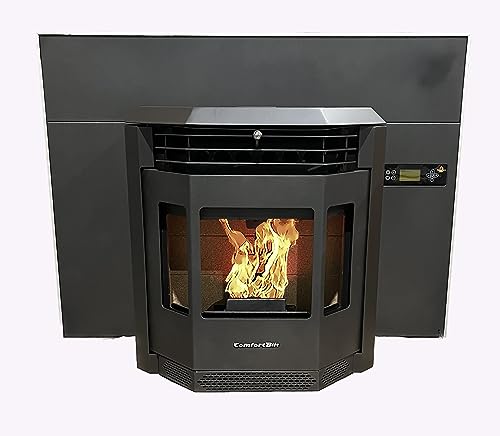
Installation of a pellet stove requires several components. used pellet stoves for sale is to set up a fireproof mat where the stove will be. Then the exhaust system has to be connected. This will require an SS chimney liner that directs fumes away from the home. It will also require the use of a vent cap. ventless pellet stove are made of high-temperature stainless steel that is rust-resistant and are available in a variety of colors.
Another important component is the venting system, that carries combustion by-products fine ash and water vapor to the outside. It is crucial to set up this system properly to avoid leaks and keep your home safe and clean. To avoid these problems it is best to only use piping that is marked for pellet stoves.
Some manufacturers recommend the use of a stainless steel chimney liner in the right dimension that runs across the length of the exhaust pipe to lower pressure and ensure proper draft. These suggestions are essential due to the fact that modern building techniques result in homes that are tightly sealed that can negatively affect draft.
You can purchase a pre-packaged exhaust system made up of the chimney liner made of stainless steel and vent cap from many wood stove dealers. It is recommended to hire an expert to install the system. These professionals can also help you select the right size of stove for your home. They will visit your home and consider factors such as your heating needs as well as the arrangement of your rooms, and the height of your ceiling. They will also provide recommendations on the number of BTUs required to heat your home.
Pellet stoves can be measured based on how many BTUs they can produce per hour. As a rule of thumb it is recommended to select one that can produce around 5,000 BTUs for every 200 square feet of living space. However, this doesn't mean that a specific model is the right option for your home. The amount of heat that a stove produces will be affected by other factors such as the height of the ceiling and the open floor plan. Most dealers also offer a variety of models to meet varying demands for heat output.